Crypt Chapel Blessed and New Altar Consecrated at St. Michael’s Cathedral Basilica
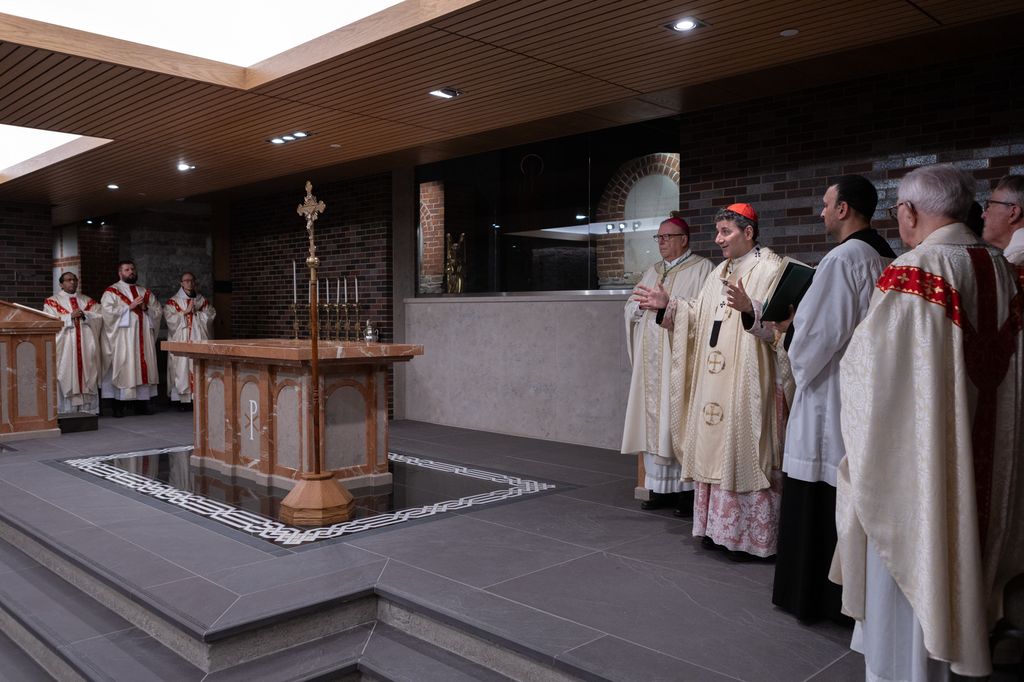
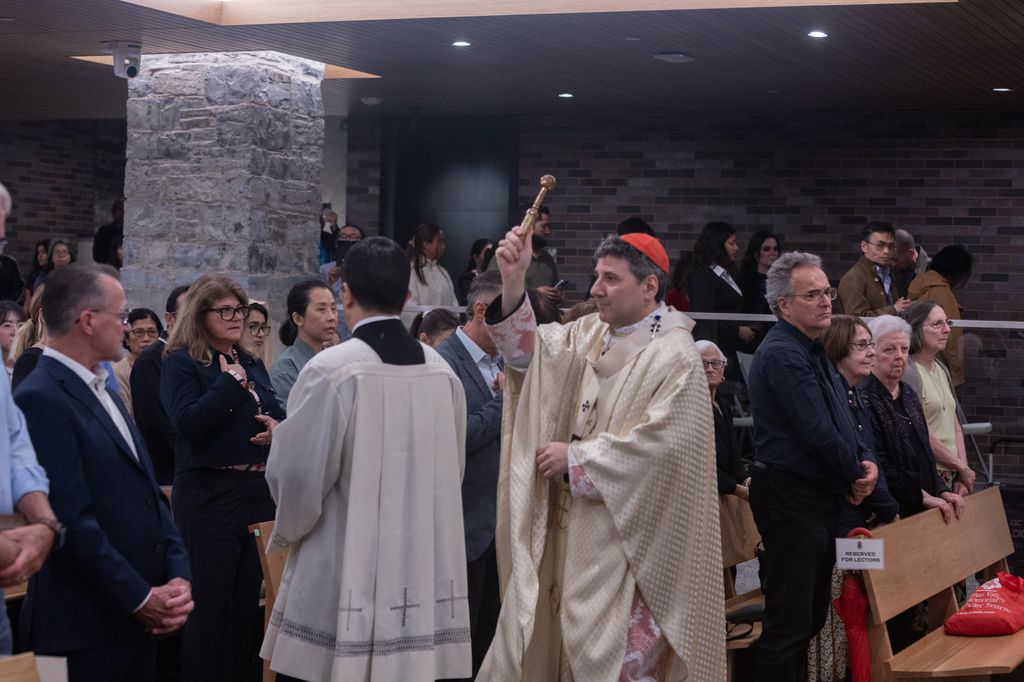
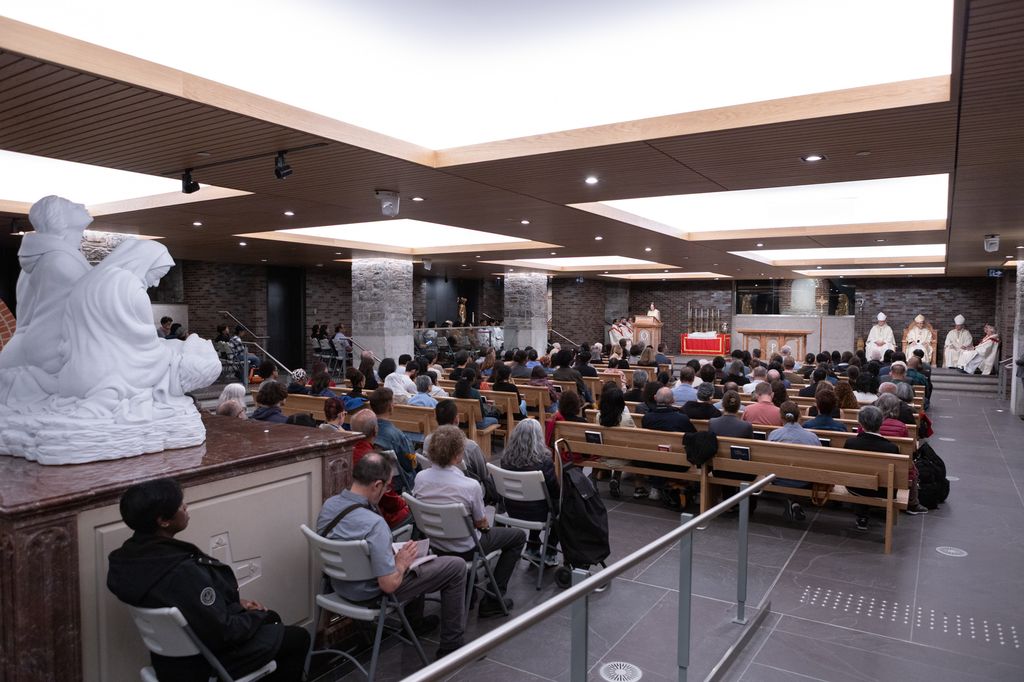
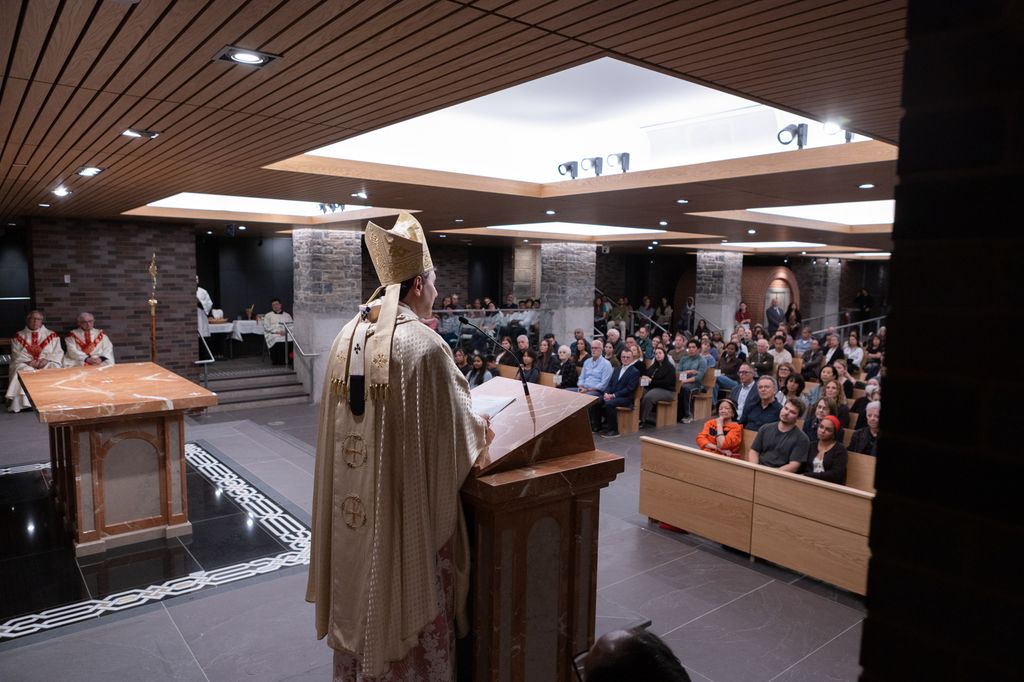
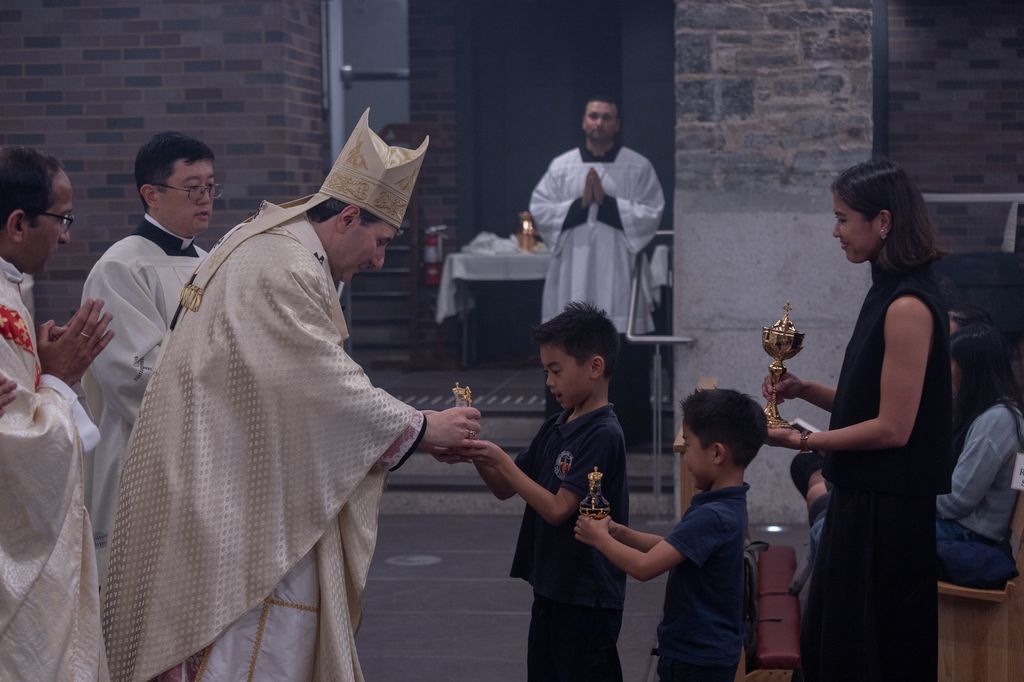
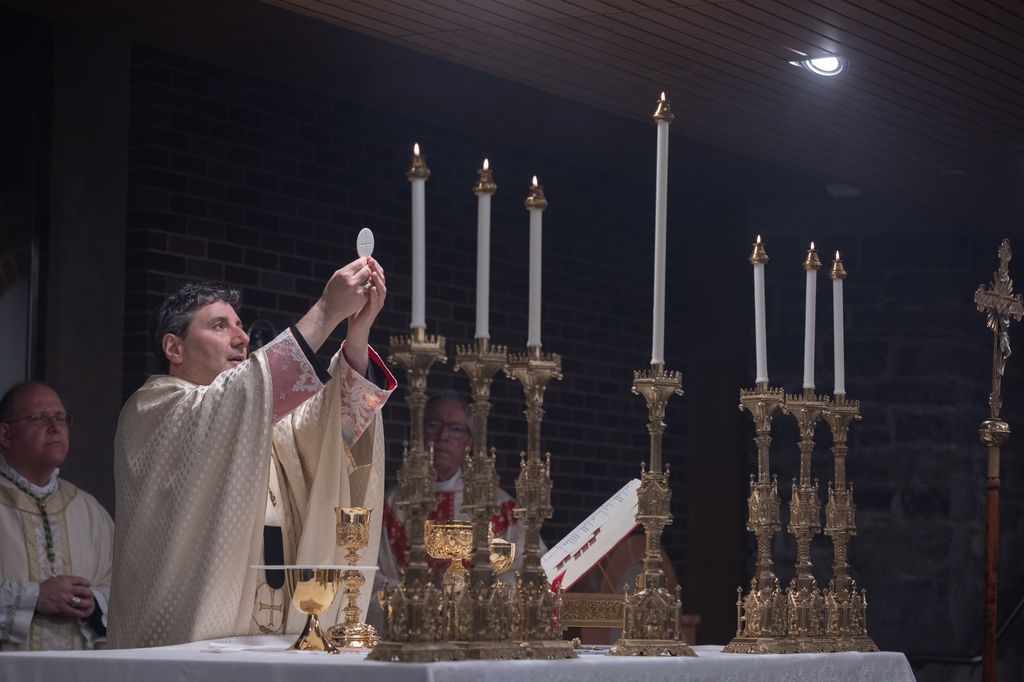
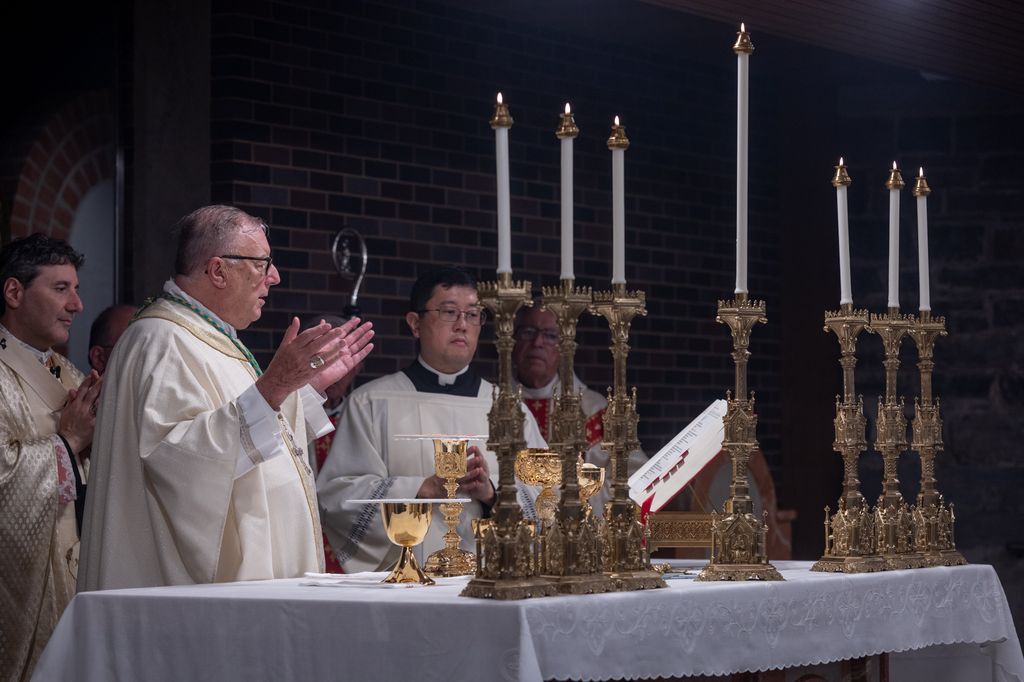
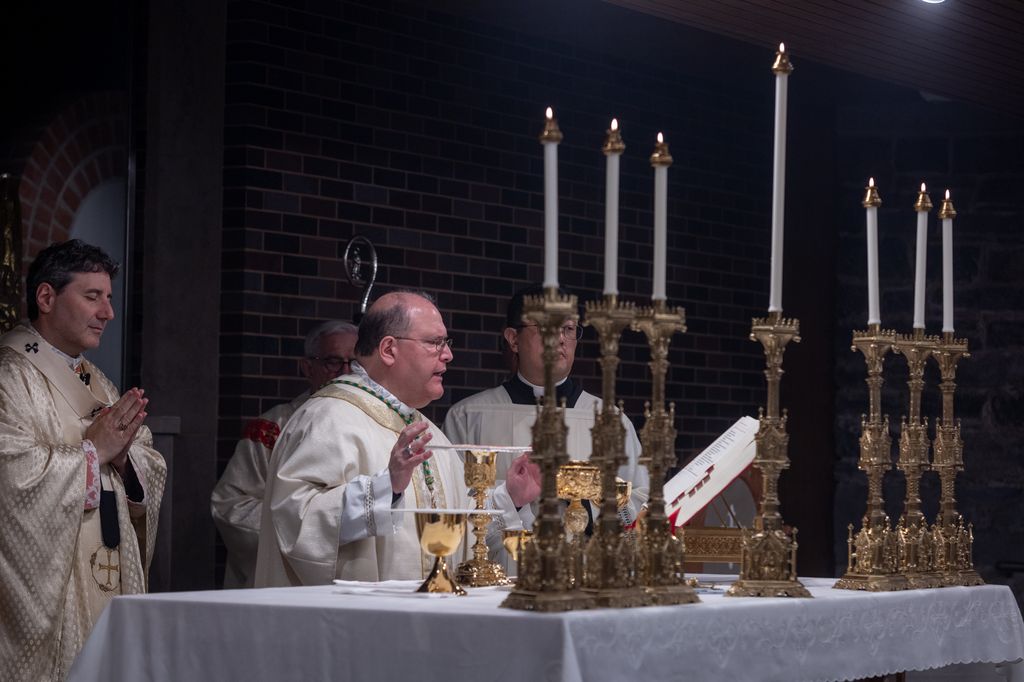
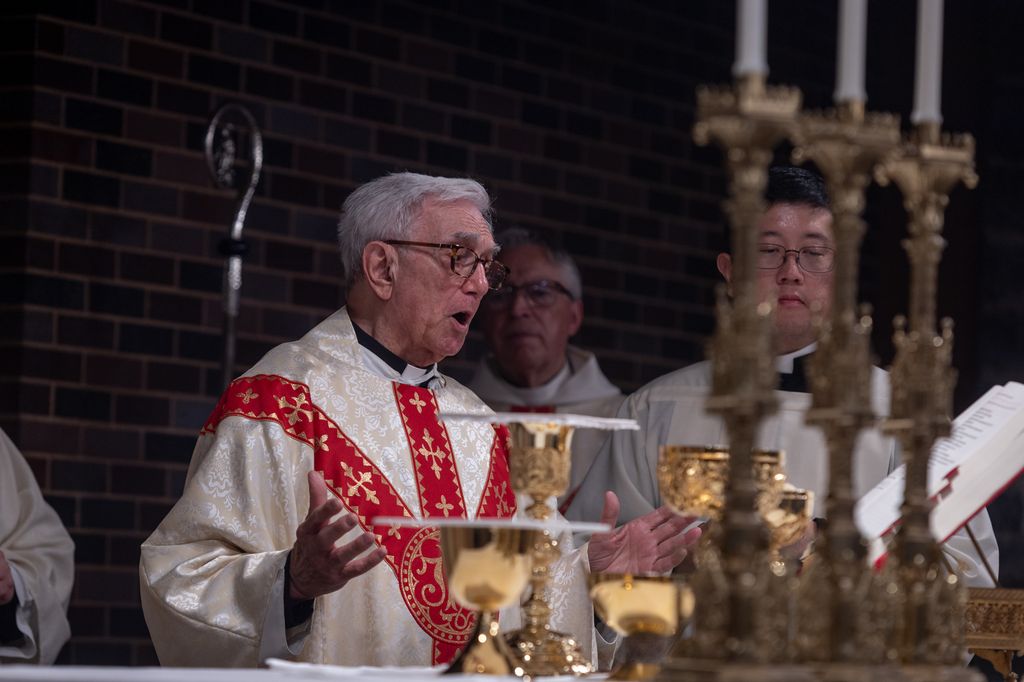
On October 1, 2026, members of the St. Michael’s Cathedral Basilica community gathered for the blessing of the recently completed Crypt Chapel and the consecration of its new altar during the 5:30 p.m. Mass.
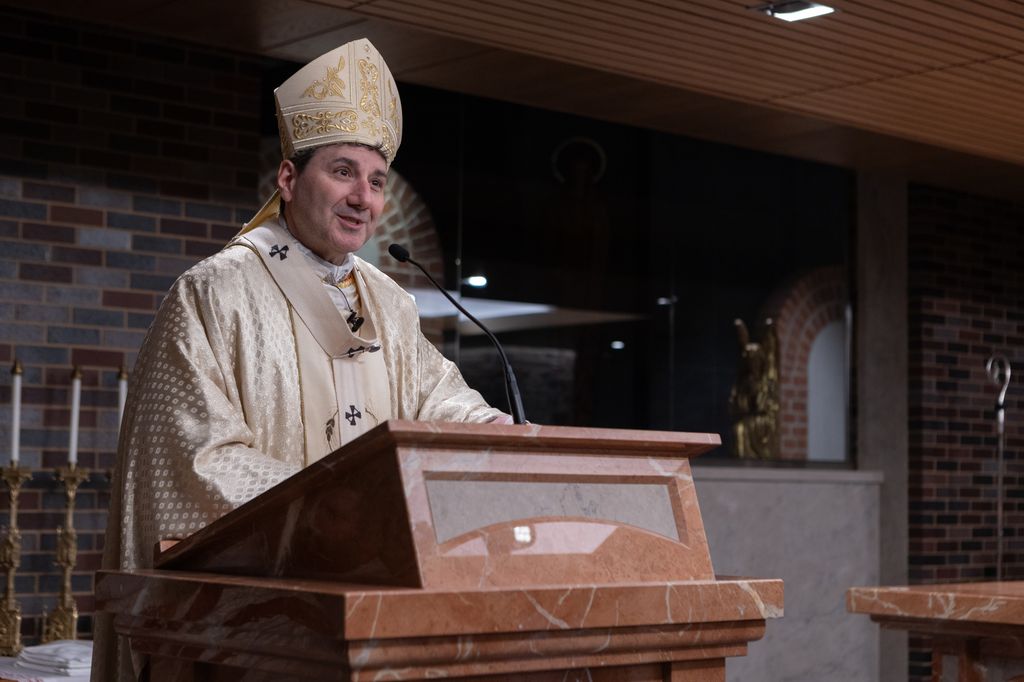
Presiding over the celebration, His Eminence Frank Cardinal Leo, Metropolitan Archbishop of Toronto, described the occasion as an important and historic moment for the Archdiocese of Toronto.
“We inaugurate officially and bless with the prayer of the Church this blessed underground sanctuary to the praise and glory of the Most Holy Trinity.”
A Chapel Connected to Toronto’s Catholic History
The blessing of the Crypt Chapel carried historical significance, taking place on the anniversary of the death of Bishop Michael Power, the first Bishop of Toronto who laid the cornerstone of St. Michael’s Cathedral on May 8, 1845. Bishop Power died in 1847 at the age of 42 after contracting typhus while caring for those suffering from the disease and administering the last rites. He is buried in the Crypt Chapel beneath the main altar of the Cathedral.
The crypt is also the final resting place of 68 others, including Archbishop John Walsh, the fourth Archbishop of Toronto, as well as the first Loretto Sisters who came to Canada at Bishop Power’s invitation.
Cardinal Leo reflected on Bishop Power’s life of service and sacrifice, as well as the contributions of the early Catholic community who helped establish the Diocese of Toronto. The location of the chapel beneath the Cathedral also evokes the ancient Christian catacombs of Rome. “This beautiful underground church is like the catacombs,” Cardinal Leo explained. “It reminds us of our call to eternal life. It reminds us of holiness. It reminds us that we're in connection with the saints of heaven, the martyrs who gave their lives for the faith, and so many others.”
A Community’s Gift
The restoration of the Crypt Chapel began more than 12 years ago under the direction of Cardinal Collins. As part of the Cathedral Restoration Project, Msgr. Michael Busch along with the many architects, engineers, project managers, archaeologists, and skilled tradespeople contributed their talents and expertise to the evolution of the chapel.
The Chapel would not have been possible without the generosity and vision of many donors, artists, designers and all those who contributed their time and resources to the project.
“For all this immense generosity of committed men and women whose love for God and for the church has made this new crypt chapel and the altar and the furnishings possible, thank you on behalf of the Archdiocese and in God's holy name.”
Cardinal Leo invited those gathered to pause and appreciate the work and dedication that went into creating the chapel.
A New Sacred Space Beneath the Cathedral
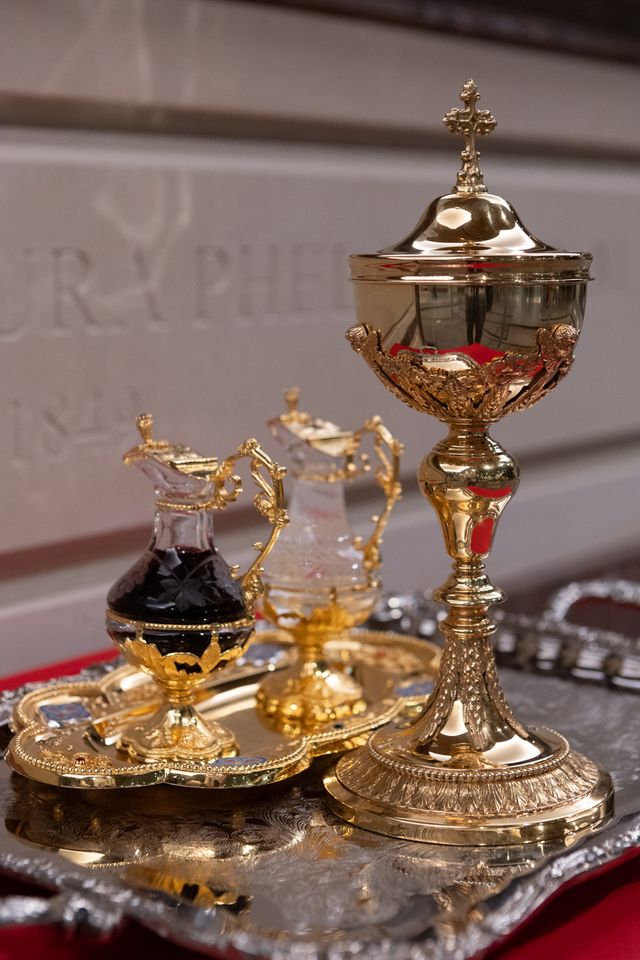
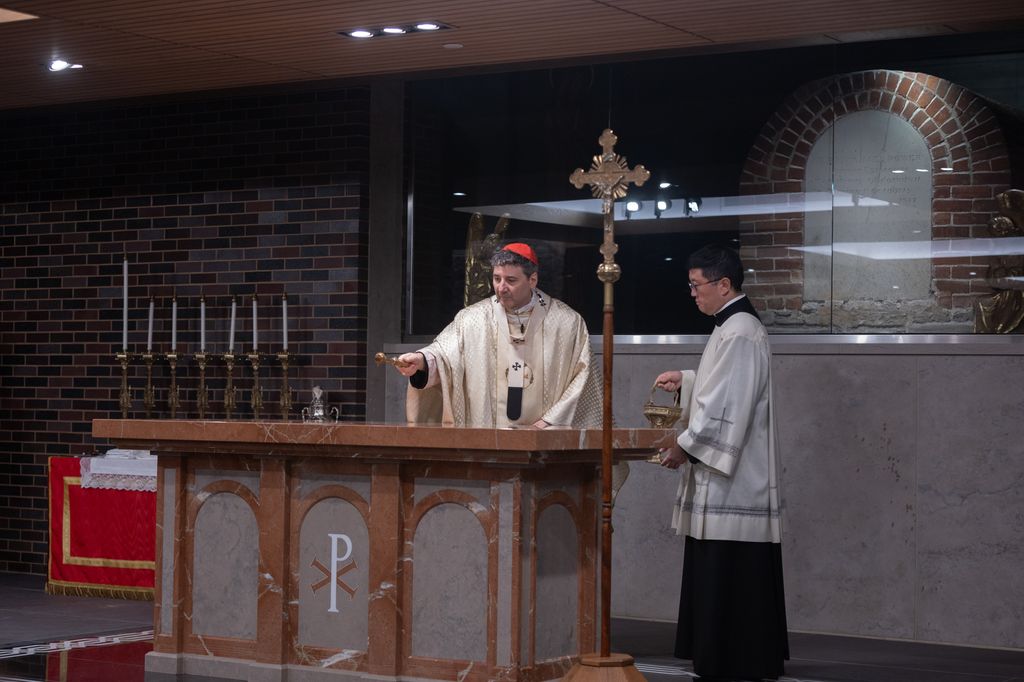
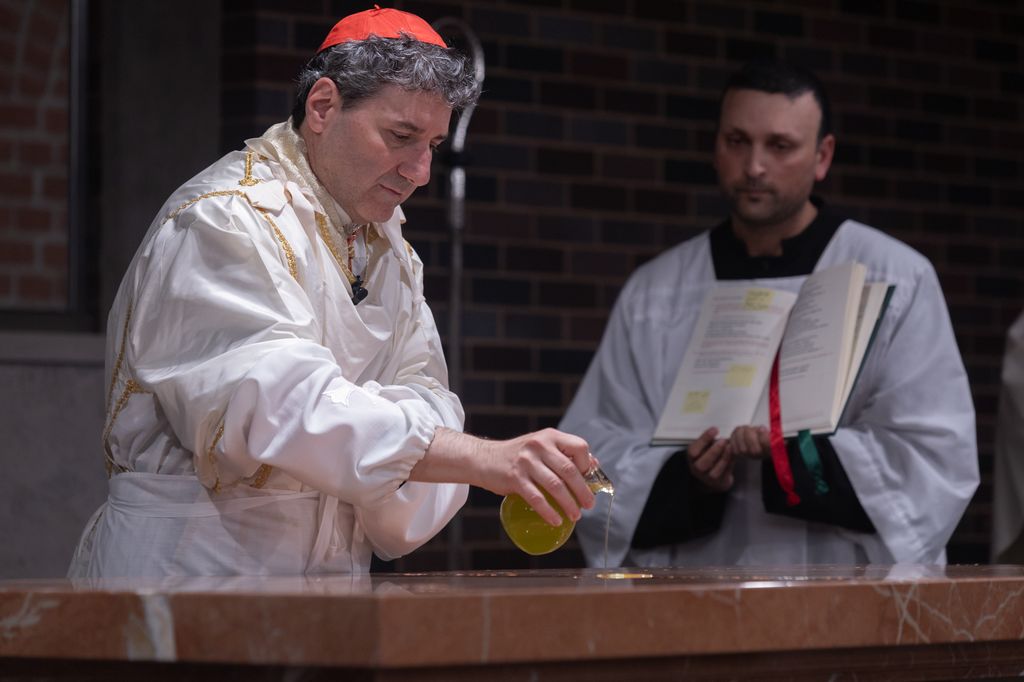
At the centre of the newly blessed chapel stands its new altar, the spiritual heart of the chapel and points to Christ Himself. In the final phase of work under the direction of Cardinal Leo, Msgr. John Borean and his team designed and fabricated the liturgical furnishings including the altar.
“Human hands made this altar,” Cardinal Leo said, “but it's God's altar.”
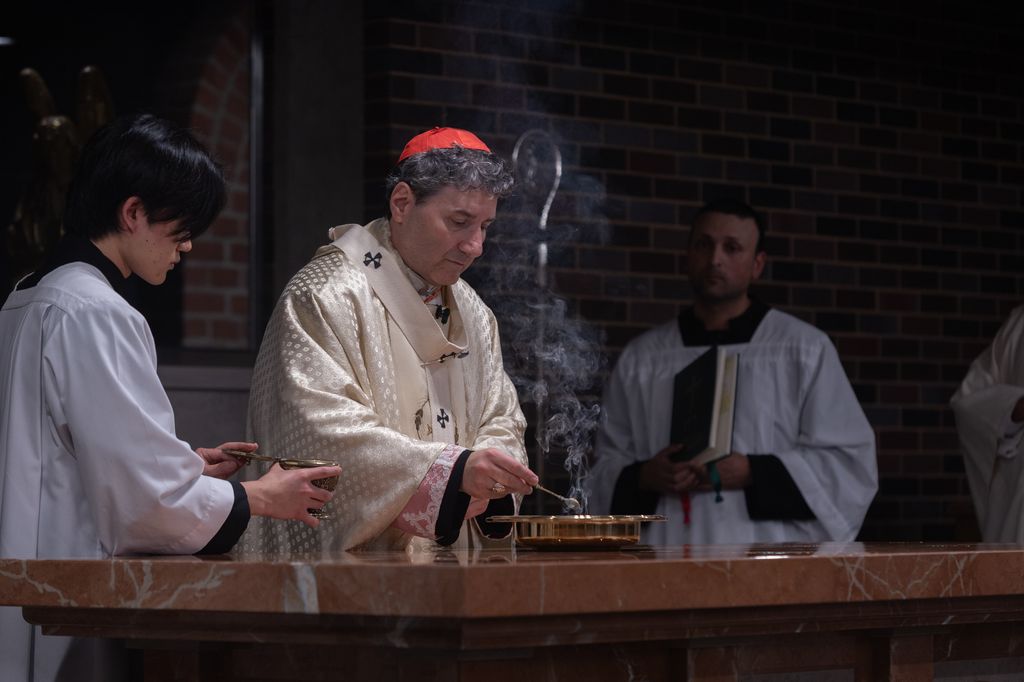
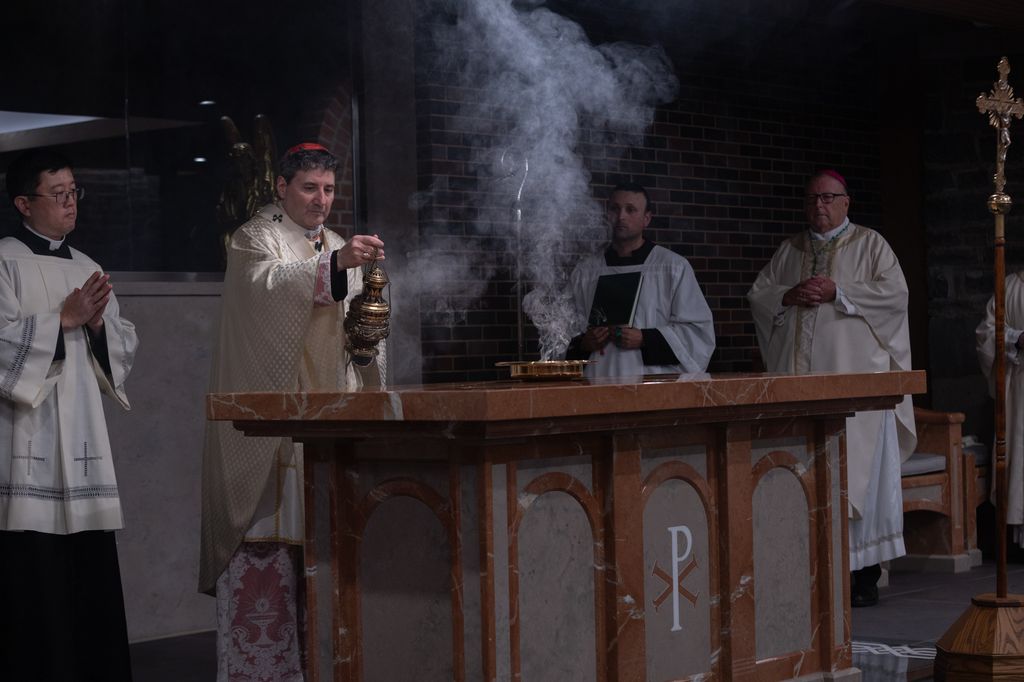
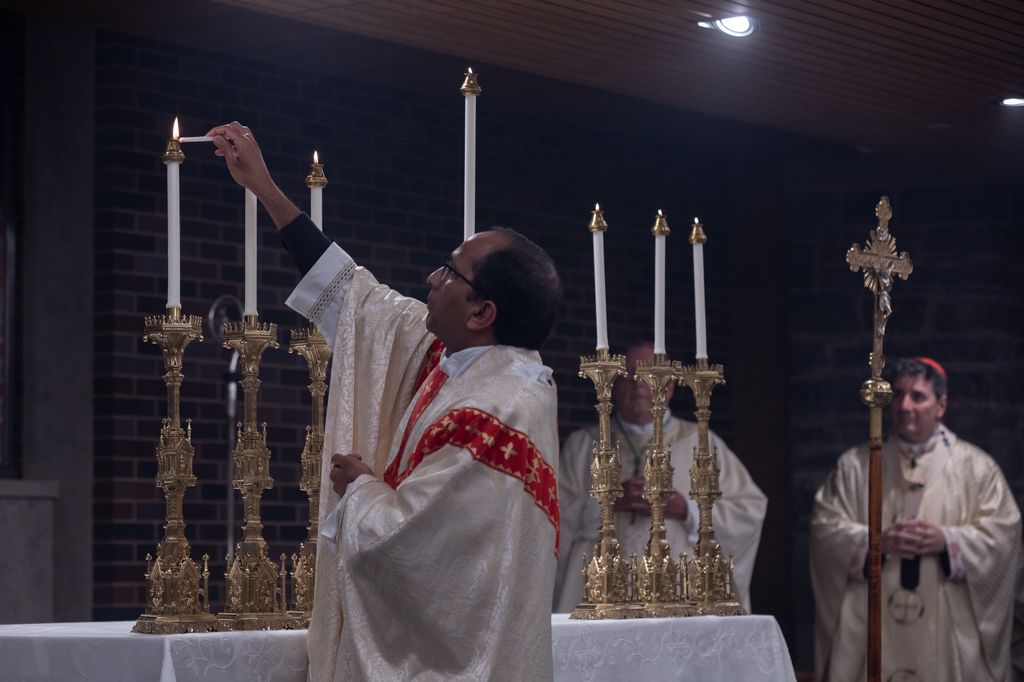
During the rite of consecration, the altar was sprinkled with holy water, anointed with sacred chrism and incensed before being dressed and adorned with candles. These ancient rituals emphasize the sacred purpose of the altar and its connection to Christ and the Eucharist.
“The altar is the heart and soul of every chapel and of every church,” Cardinal Leo explained. “The sacrifice that we offer in this holy altar makes us one family, children of God. And the altar makes us his church.”
A Relic of St. Pius X Beneath the Altar
The new altar also carries a remarkable connection to the universal Church. As Cardinal Leo revealed near the conclusion of the celebration, a relic containing a portion of the bones of St. Pius X has been placed in the altar.
St. Pius X served as Pope from 1903 until his death in 1914. He is particularly remembered for encouraging frequent reception of Holy Communion and promoting its reception by children. His relic provides a fitting spiritual connection to the Eucharist celebrated at the altar. The tradition of placing relics of saints within altars also points to the communion of saints, the spiritual union of the faithful on earth with those who have gone before us in faith.
Cardinal Leo noted that when the Eucharist is celebrated, those gathered are united not only with one another, but with the entire Church.
“We're connected to the saints and the angels and the martyrs in heaven and the souls of purgatory and everybody here on earth trying to make it in our way to heaven.”
The blessing of the Crypt Chapel marks more than the completion of a restoration project. It stands as a testament to what can be accomplished when many people contribute their gifts toward a shared vision. It opens a new chapter in the life of St. Michael’s Cathedral Basilica and the wider Catholic community in Toronto and will serve the faithful for years to come.