- Home
- A nossa comunidade
- A nossa fé
- Sacraments at St Joseph
- Vida paroquial
- Boletim informativo
- Contacte-nos
- Search
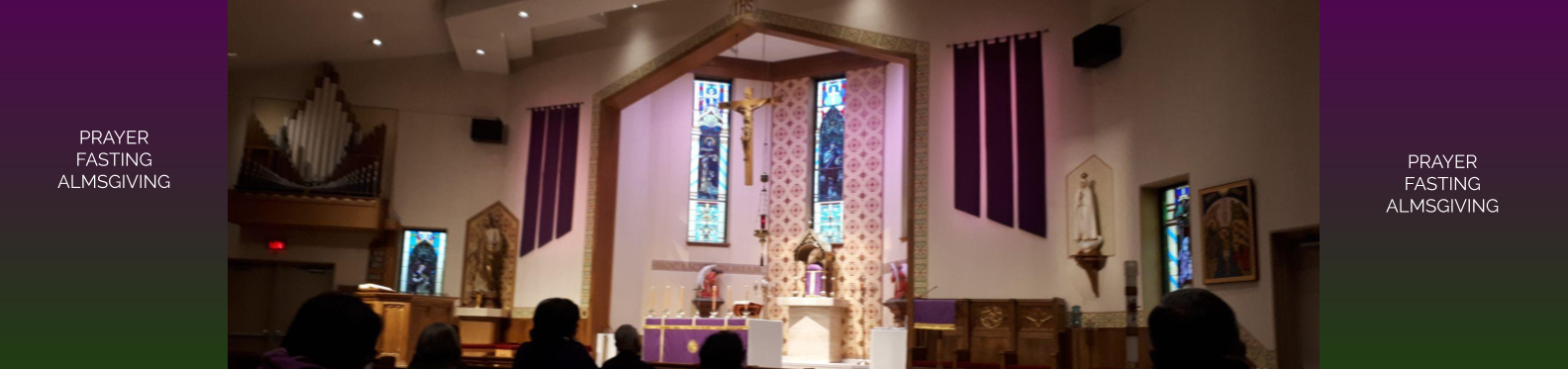
THE TEMPTATIONS IN THE WILDERNESS February 22, 2026
At the very beginning of Lent, we hear of Our Lord’s forty day fast in preparation for His public ministry which would lead him through His Passion and Death to His Resurrection. The Temptations of Our Lord in the wilderness are crucial to understanding His public ministry.
When we are puzzled that Christ wished to keep His identity as the Son of God hidden from the crowds, we should recall that the devil had tempted Him to become a great public figure. When we wonder why He did not heal every disease or satisfy every starving person, we should remember that the devil had tempted Him to turn stones into bread.
Our own forty days’ fast of Lent is founded on Our Lord’s pattern, and we should look upon it as a time of preparation for Holy Week and Easter, the time at which we ourselves will take part in the Passion, Death and Resurrection of Our Lord in the Liturgy.
There are several noteworthy changes in the Liturgy during Lent: the vestments are a sombre purple; the joyful ‘Gloria in excelsis Deo' and ‘Alleluia’ are omitted; the organ is used only as a support; and the sanctuary is left bare of flowers. Thus, all is marked by a sense of austerity befitting this season, when we join Our Lord in the wilderness by our prayer, fasting and almsgiving.
~ Fr. Paul Dobson.
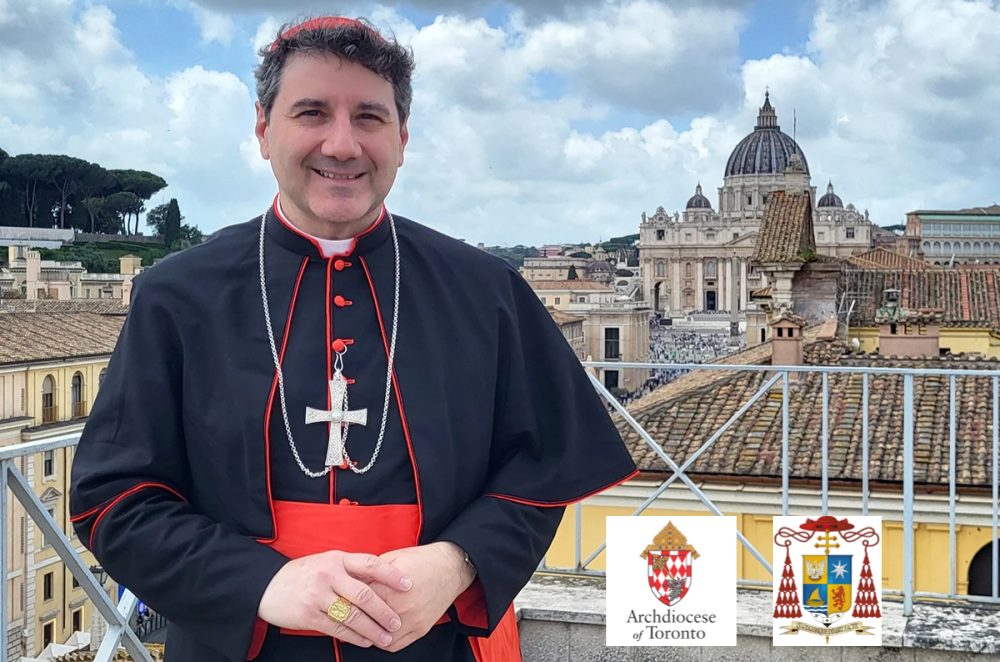
LENTEN MESSAGE 2026 HIS EMINENCE FRANK CARDINAL LEO
My Dear Brothers and Sisters, May Jesus and Mary be in your hearts.
Paragraphs 3&4
… Today, many experience the social or communal fragmentation caused by sin: families strained by silence or envy, communities divided by fear or resentment, parishes weakened by absence or disengagement. We may live or work in close proximity to others and yet carry unspoken distances in our hearts. Lent invites us to name this reality honestly—not to assign blame, but to seek healing and forgiveness. The call of the Gospel is not simply “to be better,” but “to be reconciled” (cf. 2 Cor 5:20). Part and parcel of our journeying together is the experience of authentic and daily conversion, both personal and communal, embodied beautifully in the Sacrament of Reconciliation. While Confession is deeply personal, it is never private because sin wounds not only our relationship with God but also our communion with the Church (cf. CCC, 1440; 2 Cor 5:18–20).
Through the Sacrament of Reconciliation, we restore not only our friendship with God but our bonds within the community—a ministry Our Lord entrusted to the apostles (cf. Jn 20:22–23; CCC, 1443–1445). Through this sacrament, the Lord repairs the bonds we have weakened—with him and with one another—and teaches us again the language of mercy and love (cf. CCC, 1468–1469; St. Ambrose, On Repentance, I.15). Our Lenten practices culminate on Easter Sunday when our conversion is publicly proclaimed and personally reclaimed as we renew our Baptismal vows, rejecting evil and confessing our belief in the One God—Father, Son, and Holy Spirit—through whom we were reborn into new life (cf. Rom 6:3–11; CCC, 1213, 1262).